August 27, 2026
Discover the transformative power of commercial glass in enhancing the visual appeal and functionality of business establishments. Quality glass solutions not only augment a building's exterior aesthetics but also elevate its functionality. This article explores various strategies to maximize curb appeal using quality glass solutions in commercial settings. From increasing property value to driving customer interest, commercial glass plays a pivotal role. Dive into the multifaceted world of architectural glass and its significant impact on modern business success.
Understanding the Importance of Curb Appeal
The Impact on Business Success
Curb appeal is an essential element in business success as it directly influences customer perception. A well-designed exterior can attract more clients, boosting foot traffic and subsequently increasing revenue. Businesses with superior curb appeal often enjoy a competitive advantage as first impressions are formed within moments. According to Gitnux, in the commercial sector, storefront glass accounts for 28% of installations. This statistic emphasizes its importance in creating inviting and professional business environments. Ultimately, a visually appealing facade helps businesses differentiate themselves in crowded markets.
Foot Traffic and Customers
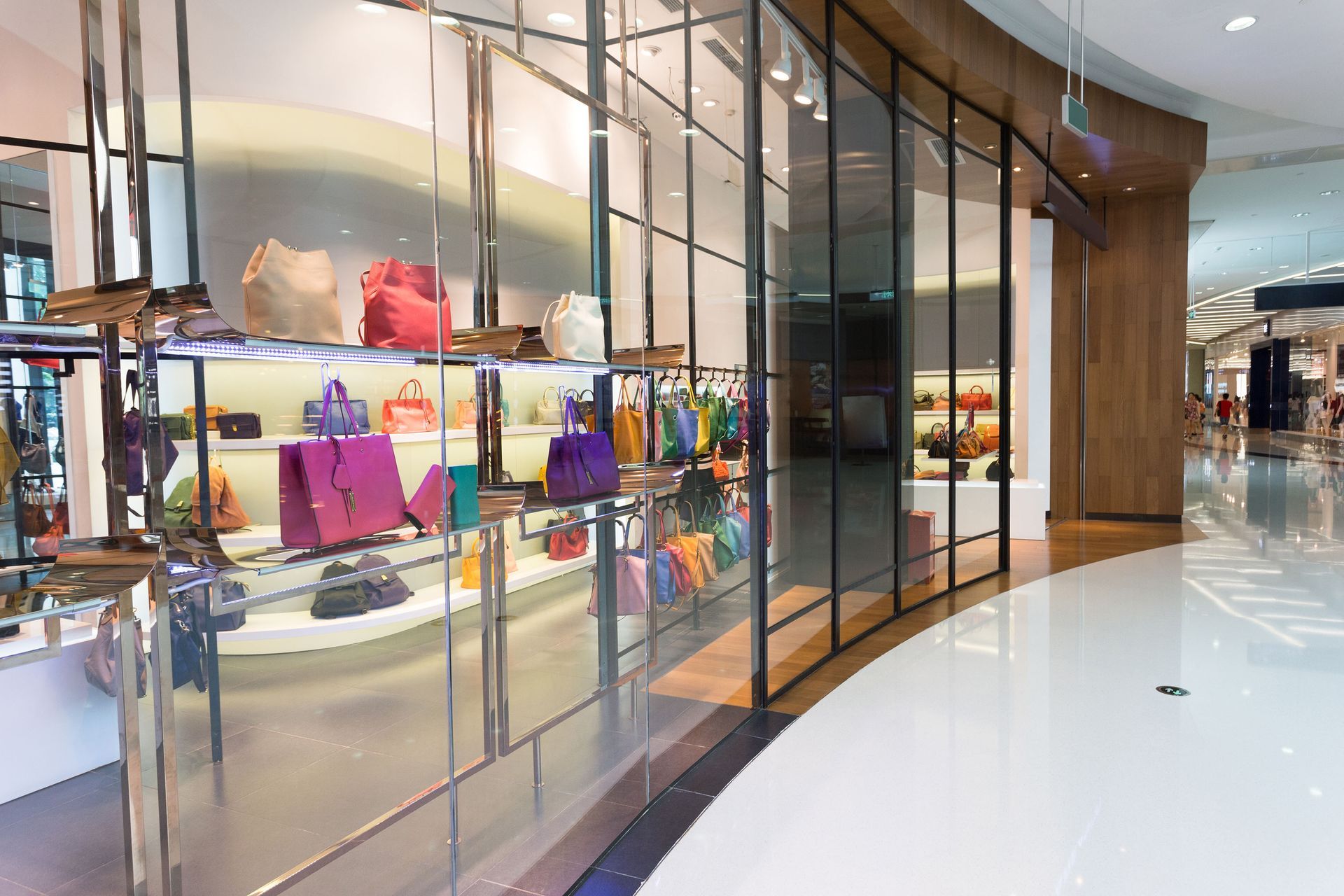
The cardinal rule in retail and other businesses reliant on foot traffic is visibility. Quality commercial glass solutions can turn a bland exterior into an inviting consumer magnet. An elegant storefront or beautiful glass entrance can draw passersby in through its engaging transparency and inviting views. Open, bright interiors highlighted by commercial glass create welcoming spaces that naturally entice customers. Having strong curb appeal is not merely about aesthetics but also about functional design that encourages exploration and discovery.
The Role of Aesthetics in Modern Business
In today's competitive landscape, aesthetics have become as crucial as the services and products offered by businesses. Glass provides clean lines and a sophisticated finish that aligns with contemporary design trends. Businesses are increasingly turning to glass to create landmark establishments that stand out. The appeal of glass lies not only in its versatility and elegance but also in its ability to blend seamlessly with traditional and modern architectures. This transition towards high aesthetic standards has ushered a new era where stylish forms meet functional utilities.
Types of Commercial Glass Solutions
Tempered Glass Options
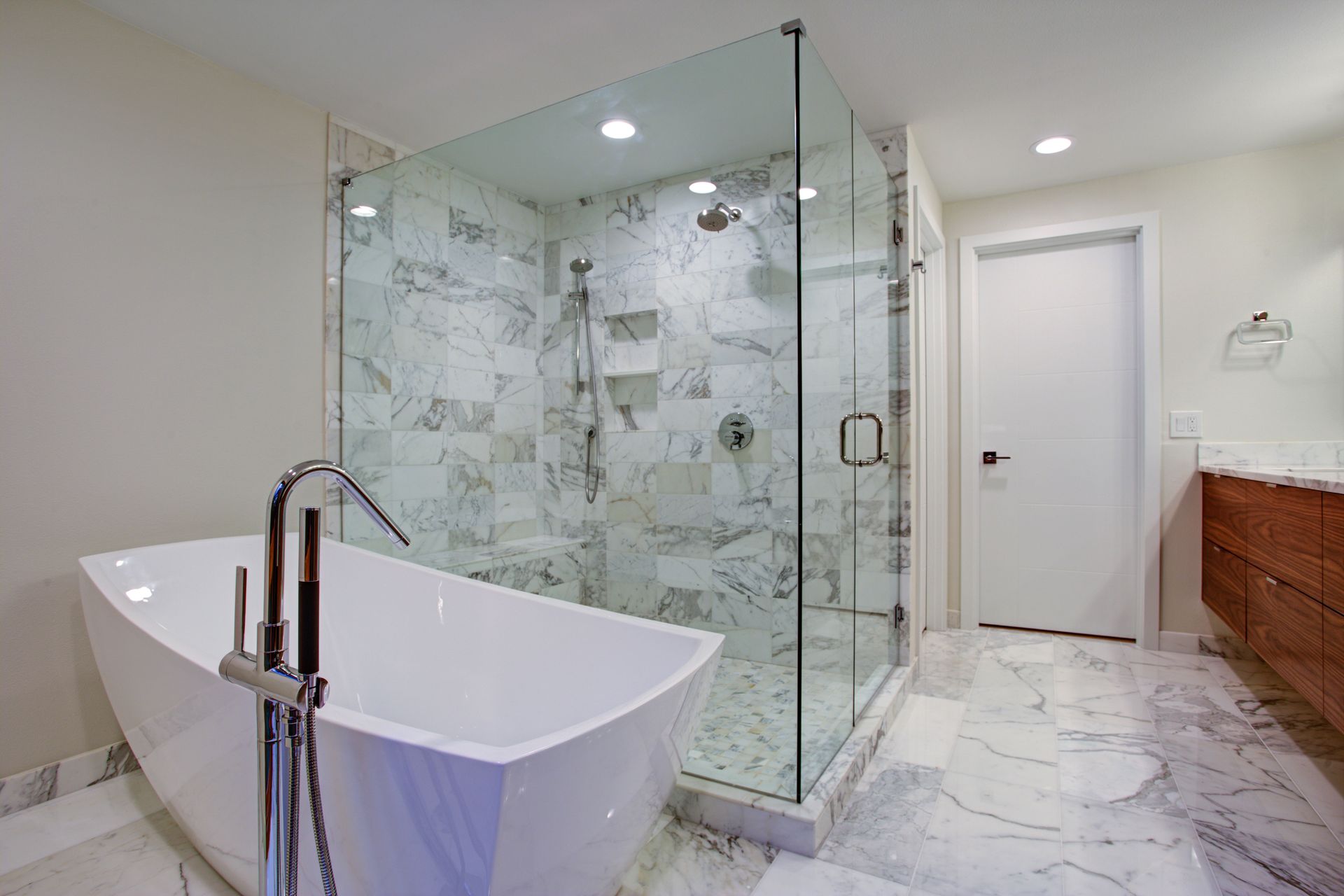
Tempered glass is a safety glass commonly used in commercial settings due to its strength and durability. Produced through controlled thermal or chemical treatments, it can withstand higher pressures. Its resistance to shattering into small granular chunks instead of sharp shards makes it popular for storefronts and large glass installations. This characteristic not only ensures safety but also provides an unobstructed view, enhancing the visual flow in architectural designs. Ultimately, tempered glass offers a combination of safety and aesthetics that aligns well with modern building codes.
Laminated Glass Benefits
Laminated glass is known for its durability and security features. It offers superior sound insulation, a feature particularly beneficial for establishments located in busy or noisy areas. Furthermore, it provides UV-filtering properties, protecting interiors from harmful rays while maintaining clarity. Despite its robustness, laminated glass is versatile and can be utilized in numerous architectural and decorative applications. Its reliability and protective qualities make it a favored choice in commercial glass installations.
Insulated Glass Systems
Insulated glass, or double glazing, plays a crucial role in energy conservation for commercial buildings. Consisting of multiple glass panes separated by an air or gas-filled space, it minimizes heat transfer, enhancing energy efficiency. This feature is particularly valuable during extreme weather, as it maintains interior comfort levels and reduces heating or cooling costs. With increasing emphasis on sustainability, insulated glass systems align with green building standards. They not only contribute to a business's environmental goals but also provide significant cost savings over time.
Decorative and Art Glass Applications
Decorative and art glass offer businesses the opportunity to craft unique brand stories through their exteriors. These installations serve both artistic and functional purposes. Art glass can either blend in harmoniously with the architectural theme or stand out as a focal point, depending on design intent. These interventions can transform spaces, evoking emotions and piquing the curiosity of passersby. Thus, decorative glass turns buildings into canvases reflecting business identity and values.
Tinted and Reflective Glass Offerings
Tinted and reflective glass are popular for reducing glare while maintaining visual appeal. They provide privacy, as the glass's exterior reflects surroundings, limiting views into interior spaces. These types of glass are favored in environments where managing solar heat gain or achieving specific aesthetic goals are priorities. Reflective glass contributes to sleek, modern appearances that resonate with professional and contemporary architectural motifs. Its dual functionality as an energy saver and privacy provider underscores its importance in commercial applications.
Design Principles for Maximizing Glass Potential
Balancing Transparency and Privacy
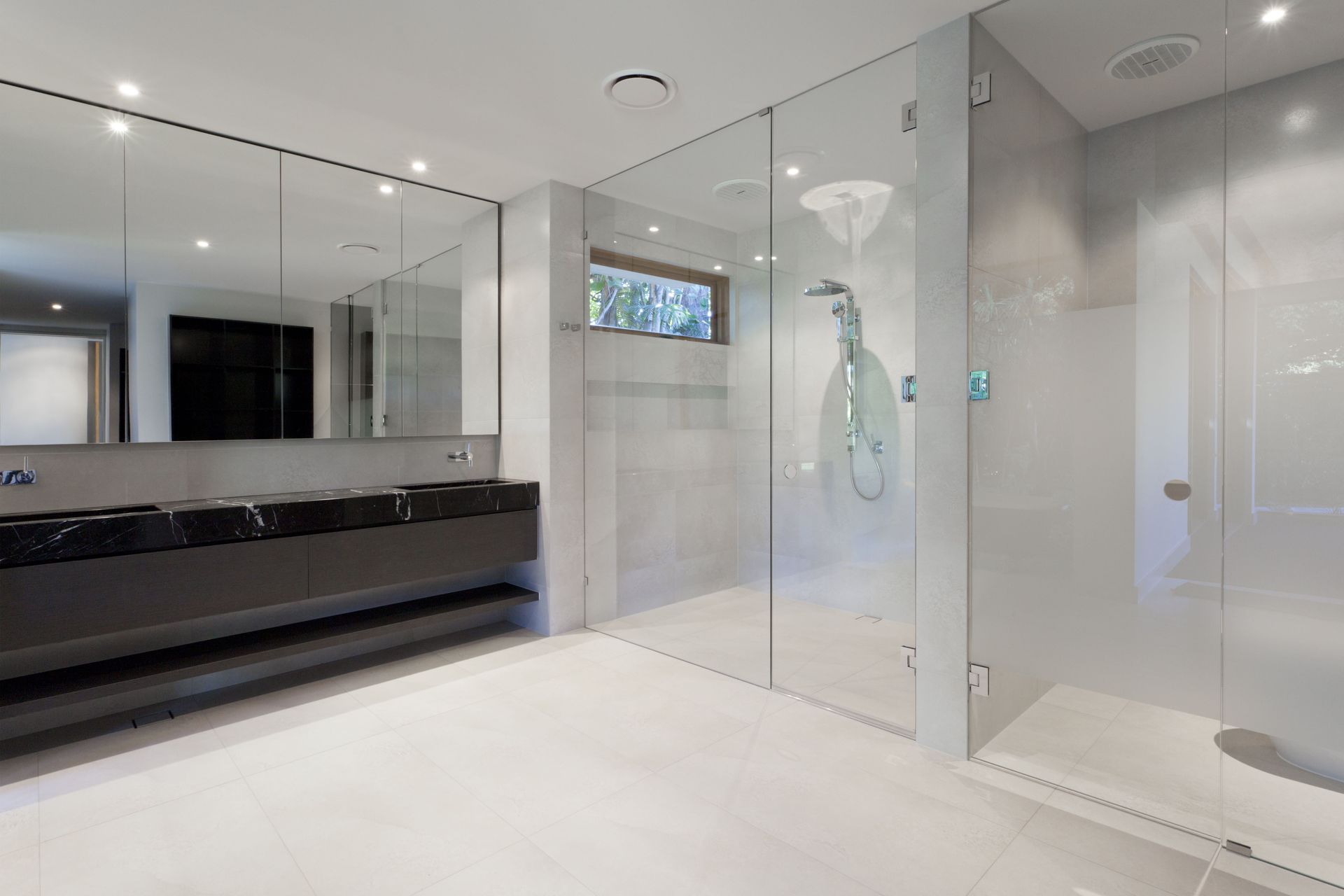
Achieving the right balance of transparency and privacy is a pivotal aspect of glass design. Businesses need to ensure they maintain welcoming spaces without compromising on privacy. Strategic placement of glass panels allows for open yet secure environments that foster interaction and comfort. Utilizing frosted or patterned glass can ensure privacy without blocking natural light. This balance enhances the utility of glass, fulfilling aesthetic desires while attending to functional needs.
Incorporation of Natural Light
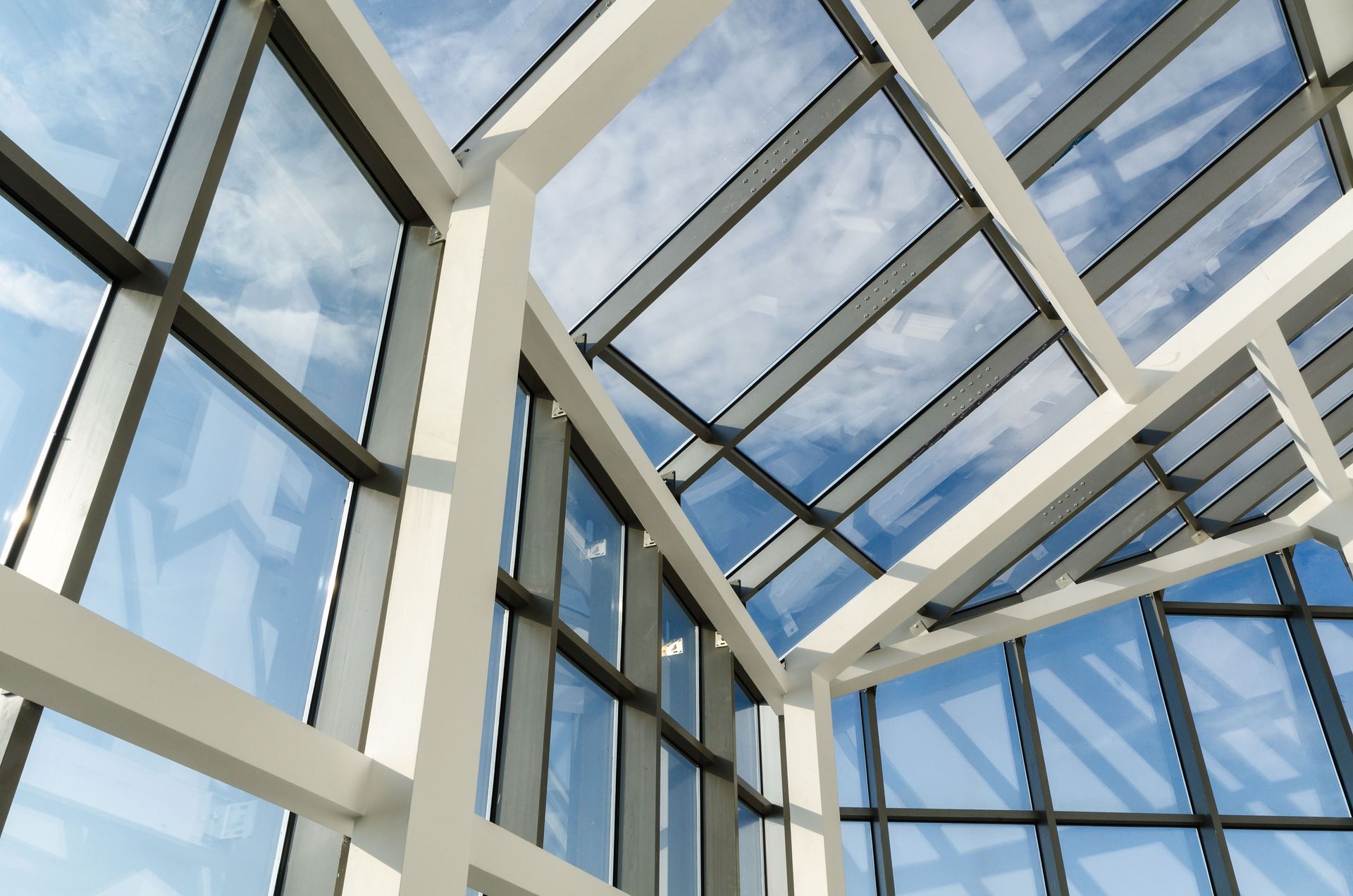
Capitalizing on natural light is a core principle in maximizing the potential of commercial glass. Large glass installations allow sunlight to flood the interiors, creating bright, inviting spaces. The effective use of daylight reduces dependence on artificial lighting, offering energy savings and boosting sustainability. Natural light is known to improve mood and productivity, adding value to workspaces and retail environments. Thoughtful glass design enhances these benefits, contributing to both comfort and eco-conscious goals.
Sustainability and Energy Efficiency Considerations
Incorporating sustainable glass solutions is increasingly becoming non-negotiable in commercial design. Energy-efficient glass minimizes ecological impact by reducing heat transfer and promoting thermal comfort. Solar control glazing options effectively manage solar heat gain, lowering energy consumption. The pursuit of LEED certifications and other green building standards is bolstered by integrating efficient glass products. Thus, prioritizing sustainability through innovative glass applications aligns with broader environmental goals and client preferences.
Installation and Maintenance Best Practices
Proper Installation
Proper installation is pivotal in ensuring the functionality and longevity of commercial glass solutions. It begins with thorough site evaluation and alignment with architectural design specifications. Engaging skilled professionals ensures adherence to safety standards and precise fitment. Properly installed glass optimizes energy efficiency and maintains structural integrity under different environmental conditions. Businesses benefit from heightened aesthetic appeal complemented by robust performance when installations are expertly managed.
Routine Cleaning Techniques
Routine maintenance is vital to uphold the clarity and appearance of commercial glass installations. Regular cleaning with appropriate solutions ensures glass remains free of smudges and environmental build-up. Non-abrasive techniques such as microfiber cloths and gentle, pH-balanced cleaners preserve the integrity of glass surfaces. Implementing scheduled maintenance routines prolongs glass lifespan, reducing the need for frequent replacements. Clean, well-maintained glass accentuates architectural design and enhances business ambiance.
Common Maintenance Issues
Common issues like fogging, minor cracks, or sealant breakdowns can compromise the performance of glass. Early intervention through regular inspections can identify potential problems, allowing timely repairs. Maintenance efforts should focus on ensuring seals are intact and installations are structurally sound. Addressing these minor issues promptly prevents further deterioration and extends glass longevity. Effective maintenance strategies save costs and maintain the aesthetic and functional benefits of glass facades.
The versatile applications and benefits of quality commercial glass cannot be overstated in achieving an attractive facade. By understanding the various types, technologies, and installation practices, businesses can significantly enhance their curb appeal. These transformations lead to improved customer engagement, enhanced property values, and long-term financial success. Entrepreneurs and developers who embrace advanced glass solutions position their properties to stand out in competitive environments. Ultimately, investing in
commercial glass is investing in a business's future, securing its place in modern architectural and commercial landscapes. If you're looking for high-quality glass services, reach out to Shawmut Glass Co today!